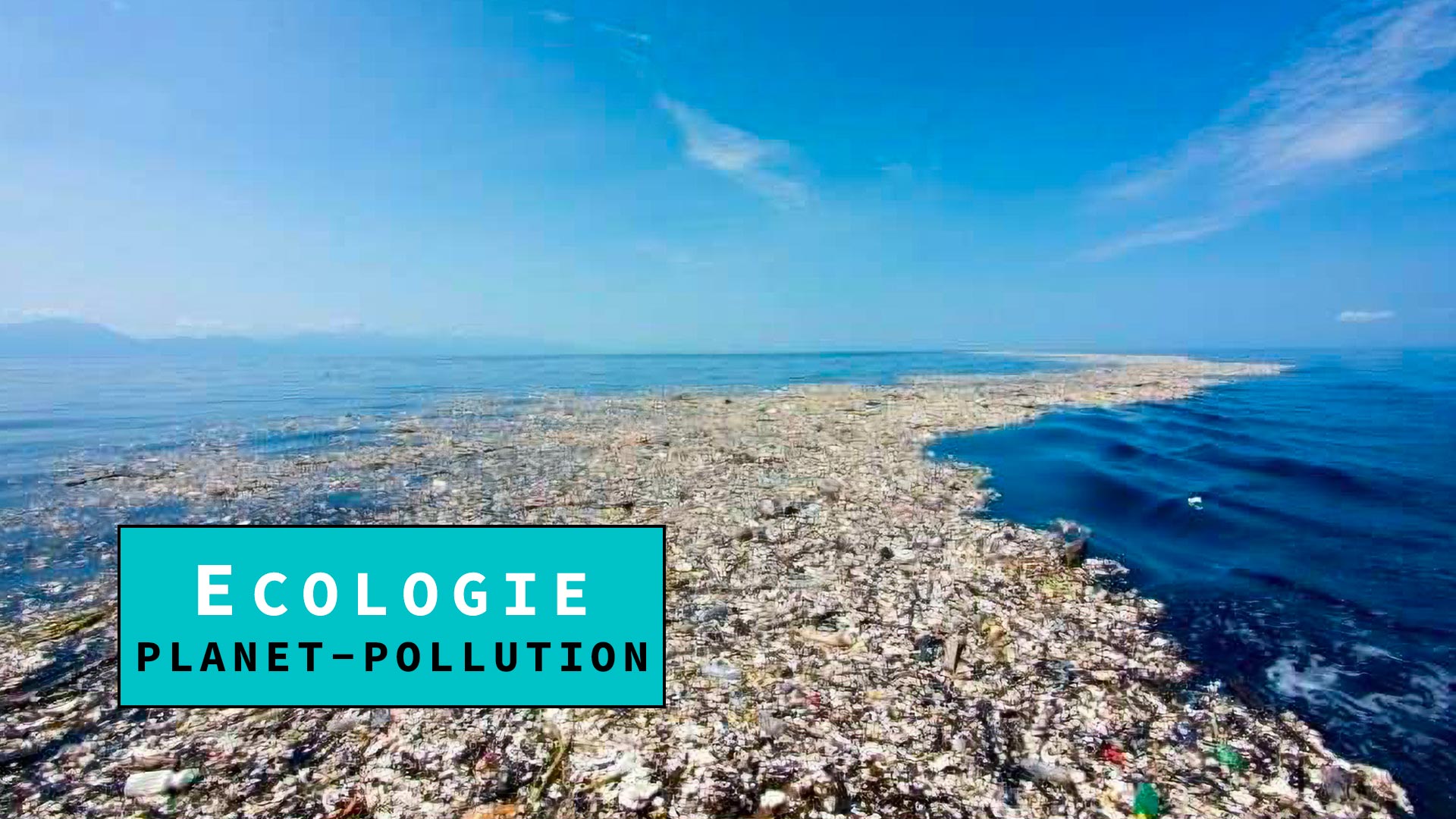
In 1997, a racing boat captain named Charles Moore was sailing from Hawaii to California when he encountered a shocking sight: an ocean of trash. Surrounding his boat were millions of pieces of plastic — from bottle caps to fishing floats — as far as the eye could see. The middle of the Pacific Ocean, one of the most remote places on Earth, was the last place he expected to find such pollution.
Today, this massive area is known as the Great Pacific Garbage Patch, the largest accumulation of marine litter in the world. Here are 8 eye-opening facts to better understand it.
1. It’s about the size of Alaska
The Great Pacific Garbage Patch is estimated to cover 1.6 million square kilometres — roughly the size of Alaska, or seven times the United Kingdom. This area is comparable to the distance between North America’s West Coast and Japan.
2. It contains at least 79,000 tonnes of waste
To put that into perspective, this is nearly the weight of 400 Jumbo Jets. Most of the debris is plastic, ranging from fishing gear to everyday household items.
3. Some of the trash is over 60 years old
In a 2022 study, scientists from The Ocean Cleanup Foundation collected and analysed samples from the patch. Some items dated back to the 1960s. Labels and markings in Japanese, Chinese, and English show that the waste comes from all over the world.
4. Much of it is hidden underwater
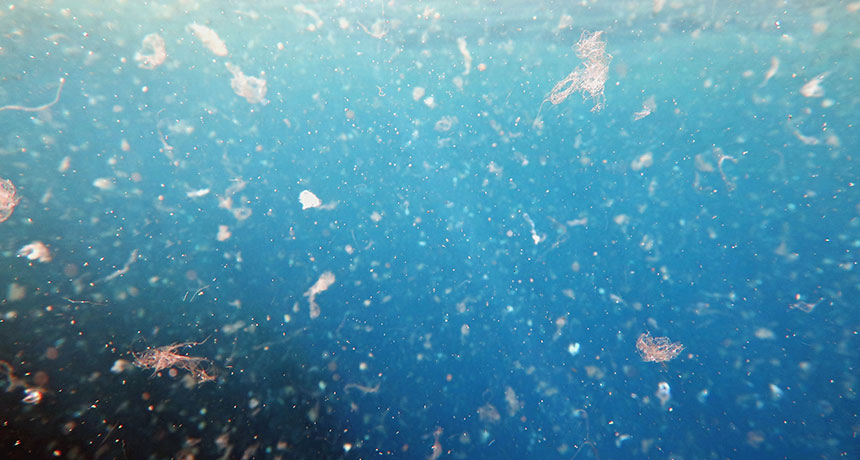
The garbage patch is often imagined as a floating island, but a large portion of the waste lies beneath the surface. Plastics break down into tiny fragments called microplastics, forming what scientists describe as a vast, cloudy “garbage soup.”
5. It is created by ocean currents
The patch is formed by circular ocean currents known as gyres. These giant whirlpools pull floating debris toward their centre, where it becomes trapped. As a result, the garbage patch continues to grow.
6. It’s not the only one on Earth
Although it is the largest, the Great Pacific Garbage Patch is not the only marine trash accumulation. The Atlantic Ocean and the Indian Ocean also have their own garbage patches.
7. It’s too big to clean up all at once
Unfortunately, it’s impossible to simply scoop up all the waste with nets. The area is enormous: scientists estimate that 67 ships working for one year would clean up less than 1% of the North Pacific Ocean. There is also the risk of capturing marine animals along with the trash.
Still, there is hope — initiatives like The Ocean Cleanup have already removed over 206,000 kilograms of plastic from the patch.
8. Reducing plastic use is crucial
The most effective way to stop the Great Pacific Garbage Patch — and other marine trash zones — from growing is to reduce our use of plastic. If more plastic enters the ocean than we can remove, cleanup efforts will never be enough. Every small action matters: recycling properly, choosing plastic alternatives, and using a reusable water bottle can all help fight plastic pollution.