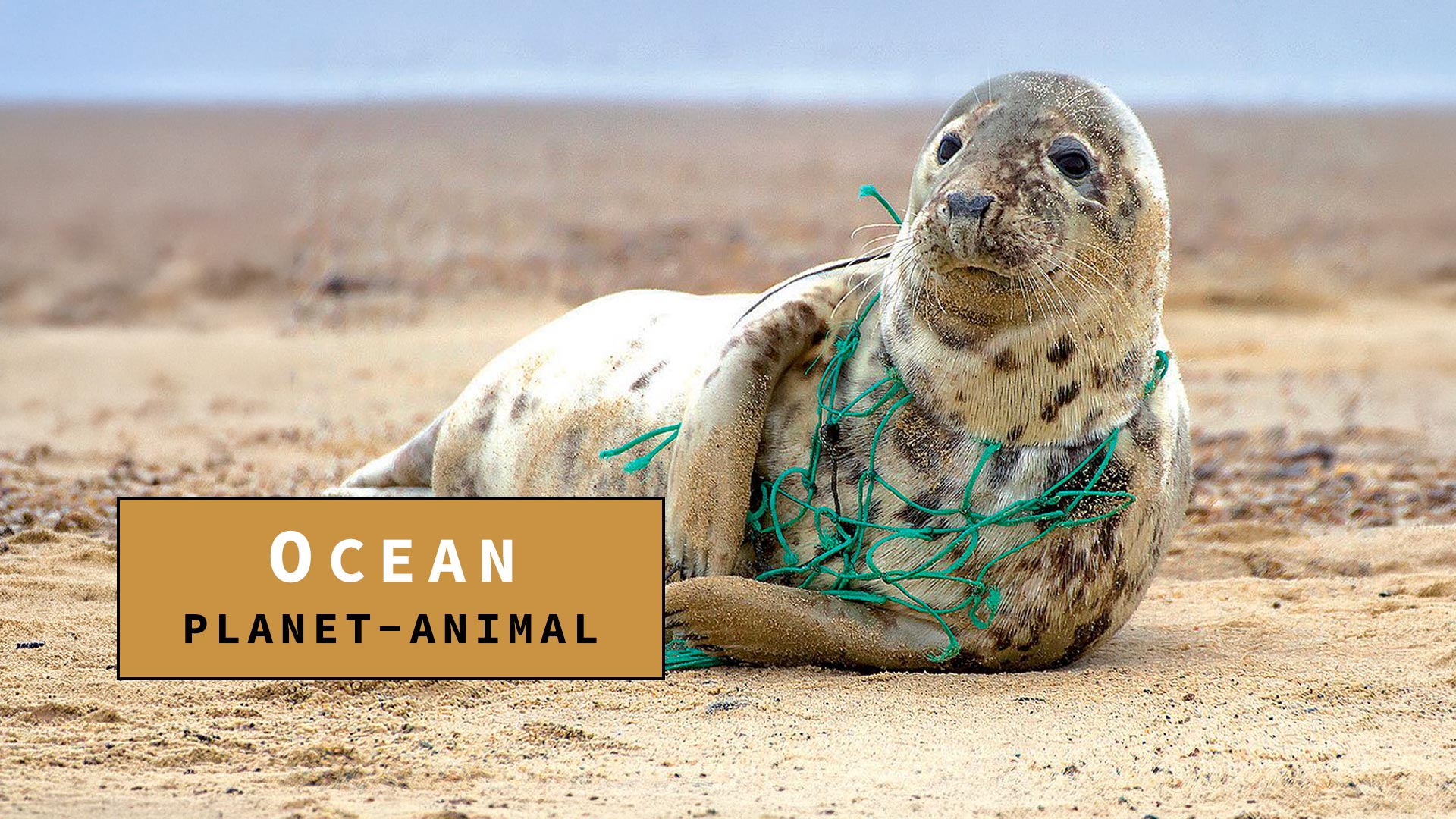
Every year, humans produce more than 380 million tonnes of plastic waste. Around 8 million tonnes end up in the oceans. That is an enormous amount, equal to the weight of millions of animals combined. Plastic, especially when it breaks into very small pieces, is dangerous for animals and also for humans.
The impact of plastic on marine animals
Each year, millions of tonnes of plastic enter the sea. Scientists have discovered that more than 1,500 marine species have swallowed plastic at least once in their lives. In 2019, a baby turtle, no bigger than a hand, was found dead with more than 100 pieces of plastic in its stomach.
When marine animals swallow plastic, it can block their digestive system or injure their organs. Sometimes animals think they are full because their stomach is filled with plastic. They stop eating real food and can die of starvation.
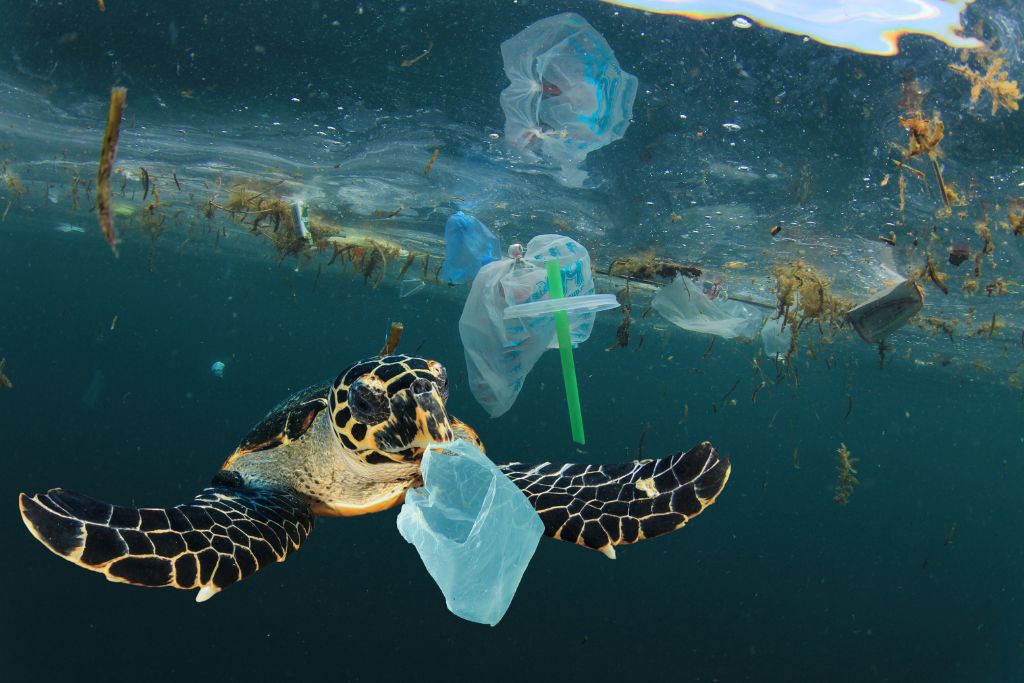
Plastic never truly disappears. Over time, it breaks into tiny pieces called microplastics, often smaller than a grain of rice. These microplastics are so small that they can easily pass through animals’ bodies.
It is estimated that tens of thousands of billions of microplastic particles are already present in the oceans. If nothing changes, almost all marine animals could ingest them within the next few decades.
The impact of plastic on land animals
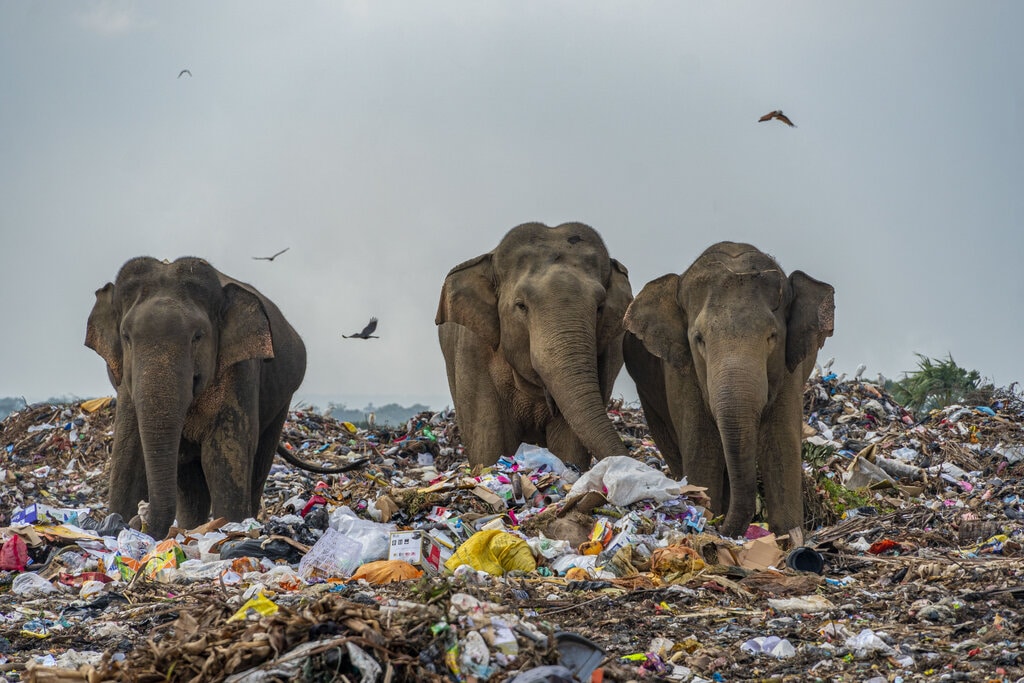
Plastic is also very dangerous for animals living on land. Animals such as elephants, cows, camels, tigers, and hyenas sometimes swallow bags or packaging because they mistake them for food. This can block their stomachs and cause their death.
Many animals also become trapped in plastic waste. They can get tangled in bags or stuck in containers. This prevents them from moving, finding water, or searching for food, and can lead to suffocation, dehydration, or starvation.
The impact of plastic on humans
Billions of people eat fish every day. Because many fish swallow microplastics, these tiny particles can move from the animal to our plate and then into the human body. Fruits and vegetables can also contain microplastics due to polluted water and soil.
Scientists are still studying the effects of microplastics on human health. Some fear that these particles could travel through the body and lodge in fragile organs, which could be dangerous.
What can we do to take action
To reduce plastic pollution, an important solution is to limit or ban single-use plastics, such as plastic bags and disposable packaging. Many countries have already started to do this.
It is also essential to improve recycling and reuse bottles and packaging. Deposit return systems, for example, allow bottles to be returned and reused.
On an individual level, everyone can help by using a reusable bottle, avoiding plastic bags, and choosing clothes that release fewer microplastics when washed. Even small actions can protect animals, the planet, and our health.