The Environmental Cost of Space Tourism
In recent years, scientists have greatly improved space technologies. Thanks to these advances, people can travel into space for exploration and research. However, a new type of travel has appeared and is becoming more and more popular: space tourism. This new activity can bring positive benefits to humanity, such as technological innovation and scientific discoveries. But it is also important to think about the negative effects that an increasing number of space trips could have on our planet. Let’s explore the environmental cost of space tourism together.
What Is Space Tourism?
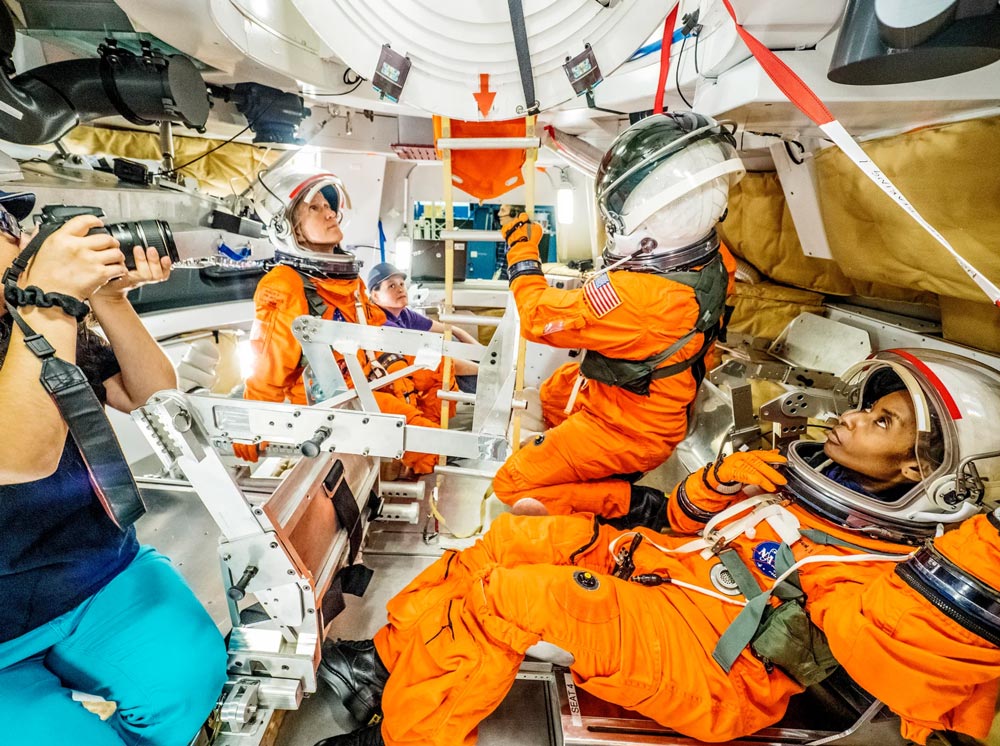
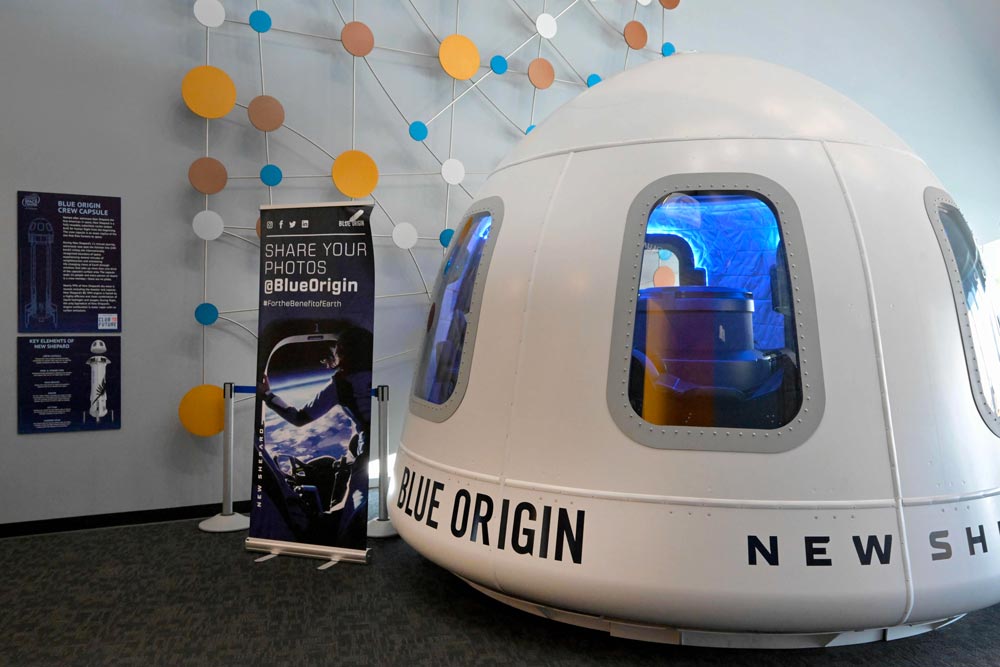
Space tourism is a new part of the aviation industry. It allows tourists to become astronauts for a short time and experience space travel for leisure, recreation, or even business. Because sending humans into space is extremely expensive, this kind of tourism is only accessible to a very small part of the population who can afford to spend huge amounts of money.
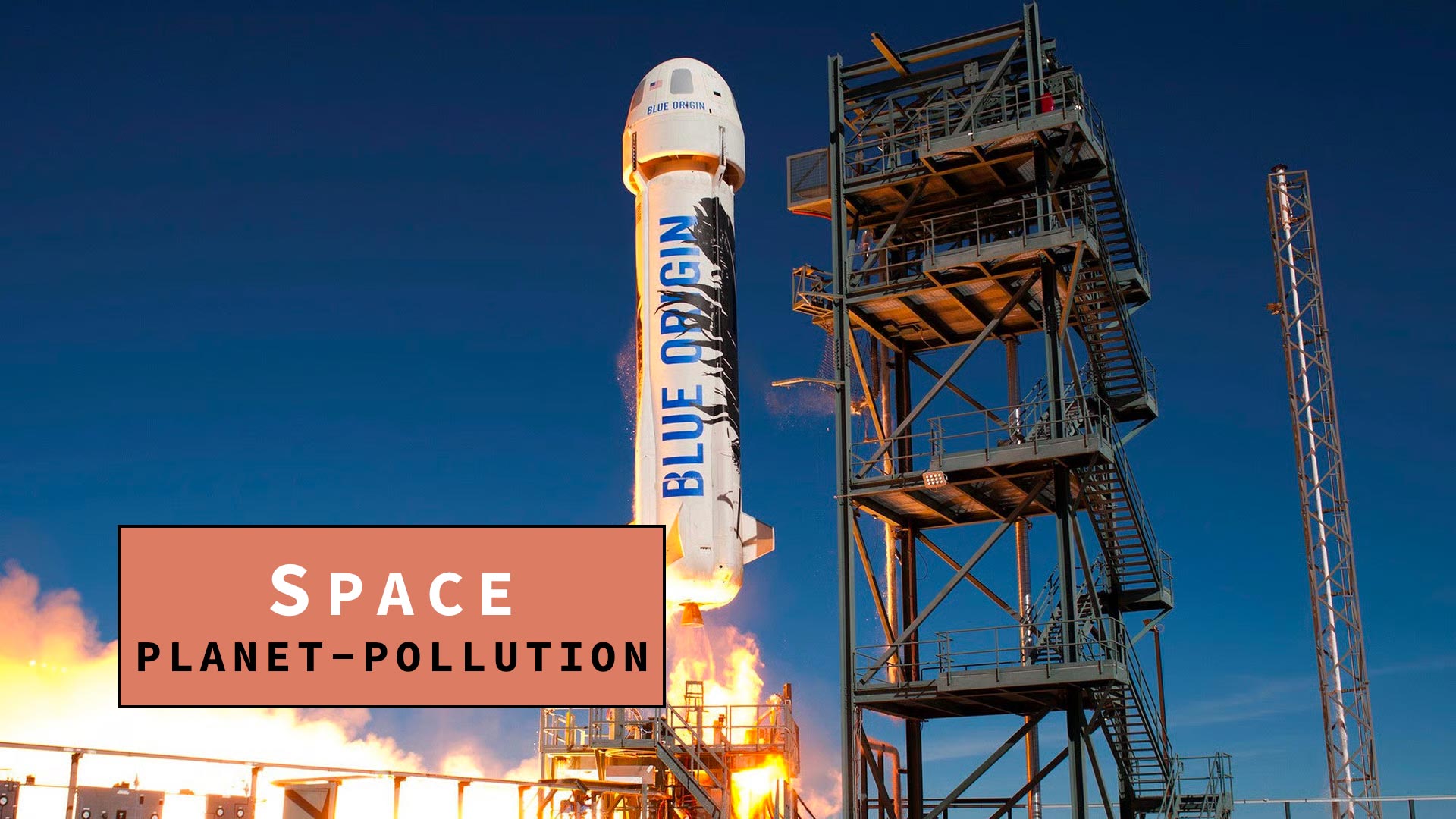
In recent years, several well-known billionaires have invested large sums of money to develop this industry. In 2021, Jeff Bezos, the founder of Amazon and one of the richest people in the world, traveled into space with his half-brother Mark. The trip lasted just over 10 minutes and reached an altitude of 107 kilometers. This very short flight cost him around 5.5 billion US dollars!
British billionaire Richard Branson also flew into space on a mission lasting about one and a half hours, reaching an altitude of 86 kilometers.
Among the most innovative companies transforming the space industry is SpaceX, founded by Elon Musk, who is also the CEO of Tesla, a leading electric car company.
The Environmental Cost of Space Tourism
The main environmental problem linked to space tourism is air pollution. A space tourism flight, which lasts about an hour and a half on average, produces as much pollution as a 10-hour transatlantic flight. Its carbon footprint is equivalent to that of 278 people combined. This is worrying, especially because some companies plan to launch several tourist flights every day in the future.
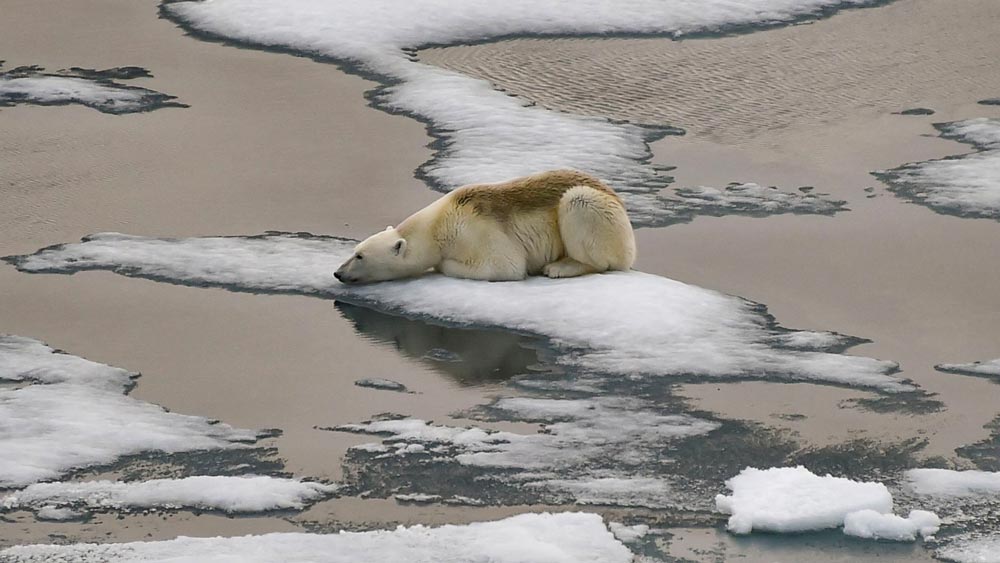
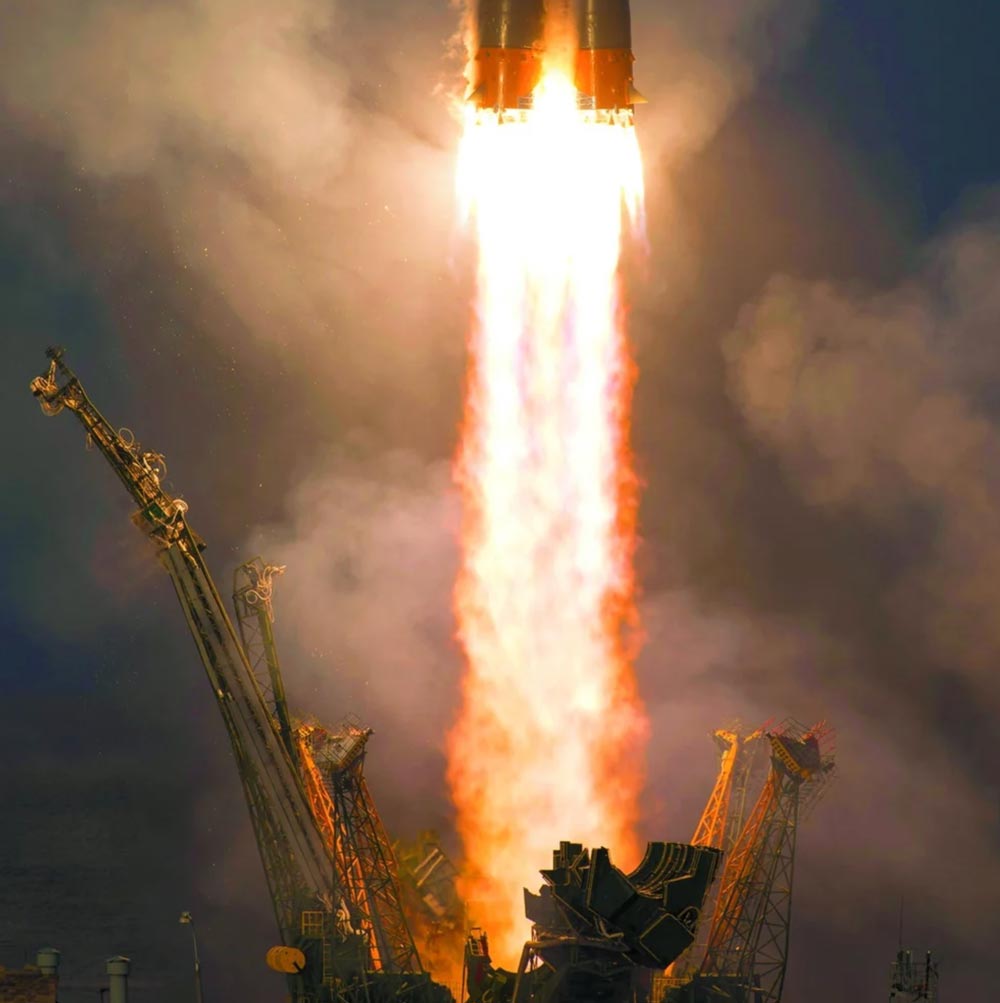
The powerful engines used for space flights burn rubber and other fossil fuels. They release large amounts of soot, a highly toxic form of carbon, into the atmosphere. This can seriously damage the environment. According to a 2010 study, the soot released by one thousand private space flights per year could increase temperatures at the poles by 1 degree Celsius and reduce polar sea ice by 5%.
Another environmental issue linked to space tourism is space debris, also known as space junk. Some debris comes from natural objects such as meteoroids, but most of it is created by humans and orbits the Earth. Today, there are about 34,000 pieces of space junk larger than 10 centimeters and around 128 million pieces larger than 1 millimeter. If space tourism continues to grow, these numbers are likely to increase even more.
What Could We Do Instead?
For only four minutes of weightlessness in space, Jeff Bezos spent around 5.5 billion US dollars. Many people believe this money could be used in much better ways to help both the planet and humanity, for example:
- Planting up to 5 billion trees, which cost about 1 to 3 dollars each. Forests are powerful allies in the fight against climate change.
- Saving millions of people from hunger: if each billionaire traveling to space donated 6 billion dollars, tens of millions of people could receive help.
- Fully funding the COVAX program, which provides vaccines to poorer countries. This could have protected up to 2 billion people.
- Supporting humanitarian actions, together with the United Nations, in countries facing major crises such as Nigeria, the Democratic Republic of Congo, Afghanistan, Venezuela, Yemen, and the Horn of Africa.
- Helping fund programs for agriculture, education for children affected by crises, and the development of renewable energy.
- Restoring ecosystems and making buildings more energy-efficient.
Thinking about these choices helps us understand how wealth could be used to protect the Earth and take better care of everyone who lives on it.