Why Are Flowers Blooming Earlier Than Usual?
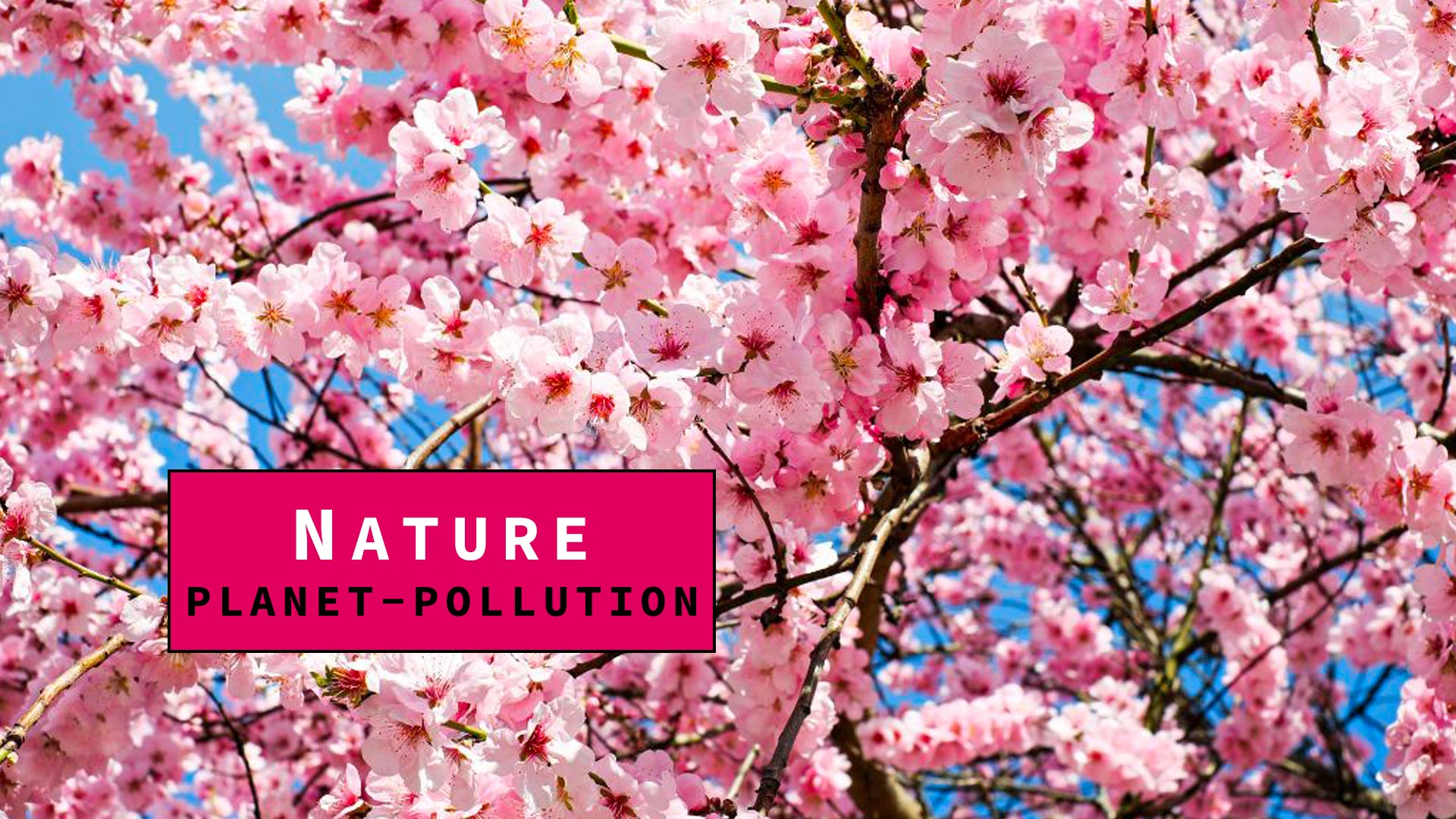
When winter comes to an end, the first signs of spring appear. Flowers begin to bloom, such as cherry blossoms, tulips, and daffodils. These bright colors announce the return of warmer days. But today, because our planet is getting warmer, spring is arriving earlier than before. As a result, flowers are blooming sooner than they used to. This may seem nice, but it is not always good news.
Flowers in a Hurry
In 2022, scientists observed that in the United Kingdom, plants now bloom about one month earlier than they did in the past. This change is not only happening in Europe, but all around the world.
In Japan, for example, famous cherry trees used to bloom at the end of March. Today, with milder winters, they can bloom much earlier. In the United States, in the state of Georgia, peach trees bloomed early after a warm winter. But a sudden cold spell arrived later, destroying almost all of the fruit.
When Nature Loses Its Rhythm
Nature works like a well-organized clock. Every plant and animal has its own timing. When flowers bloom too early, this rhythm can be disturbed.
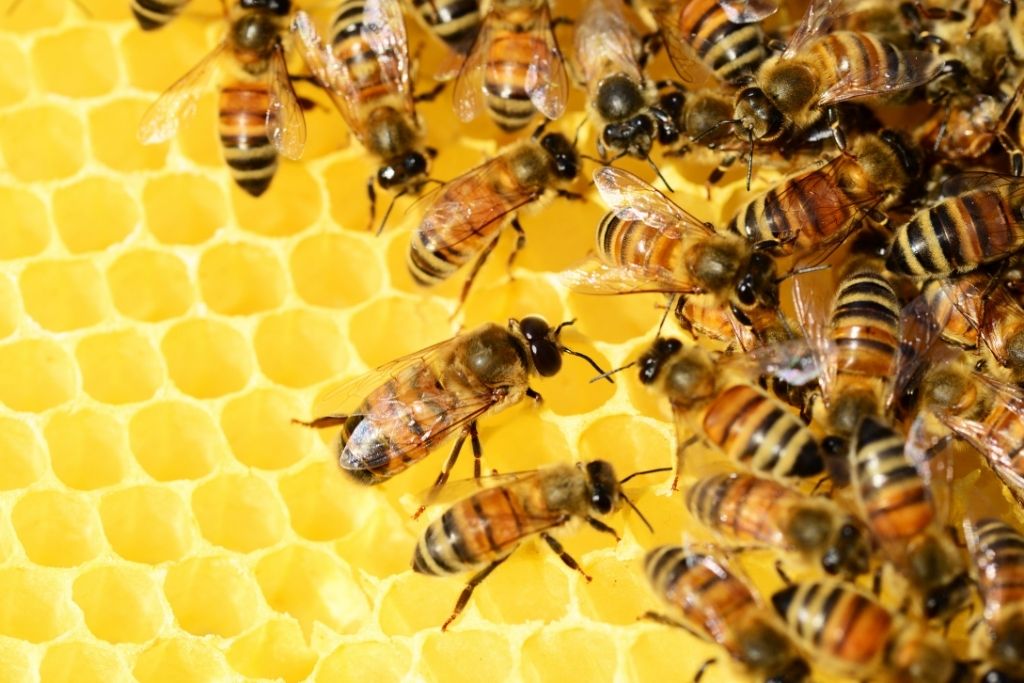
Flowers need insects such as bees, butterflies, and birds to reproduce. These animals carry pollen from one flower to another. But if pollinators are not awake or active yet, flowers may not be pollinated. This means fewer seeds and fewer fruits. At the same time, insects struggle to find the food they need.
Some trees also need cold winter temperatures to rest properly before spring. If winters are too warm, these trees may have trouble blooming and producing fruit.
Why Does This Matter to Us?
About one third of the food we eat depends on pollinators like bees and butterflies. Without them, many fruits and vegetables would not grow. If flowers and pollinators are no longer in sync, entire ecosystems can be affected.
Fewer fruits also mean less food for animals such as birds, squirrels, and farm animals. And when animals have less to eat, people are affected too.
How Can We Help Nature?
We can all help protect this fragile balance. Planting native flowers in gardens or on balconies gives pollinators food throughout the year. Providing small water sources and avoiding harmful chemicals also makes a big difference.
We can also help slow down climate change by saving energy, recycling, and being mindful of how much we consume. Even small actions matter. By taking care of our planet, we help protect the future of all living things, including ourselves.