A Global Environmental Challenge
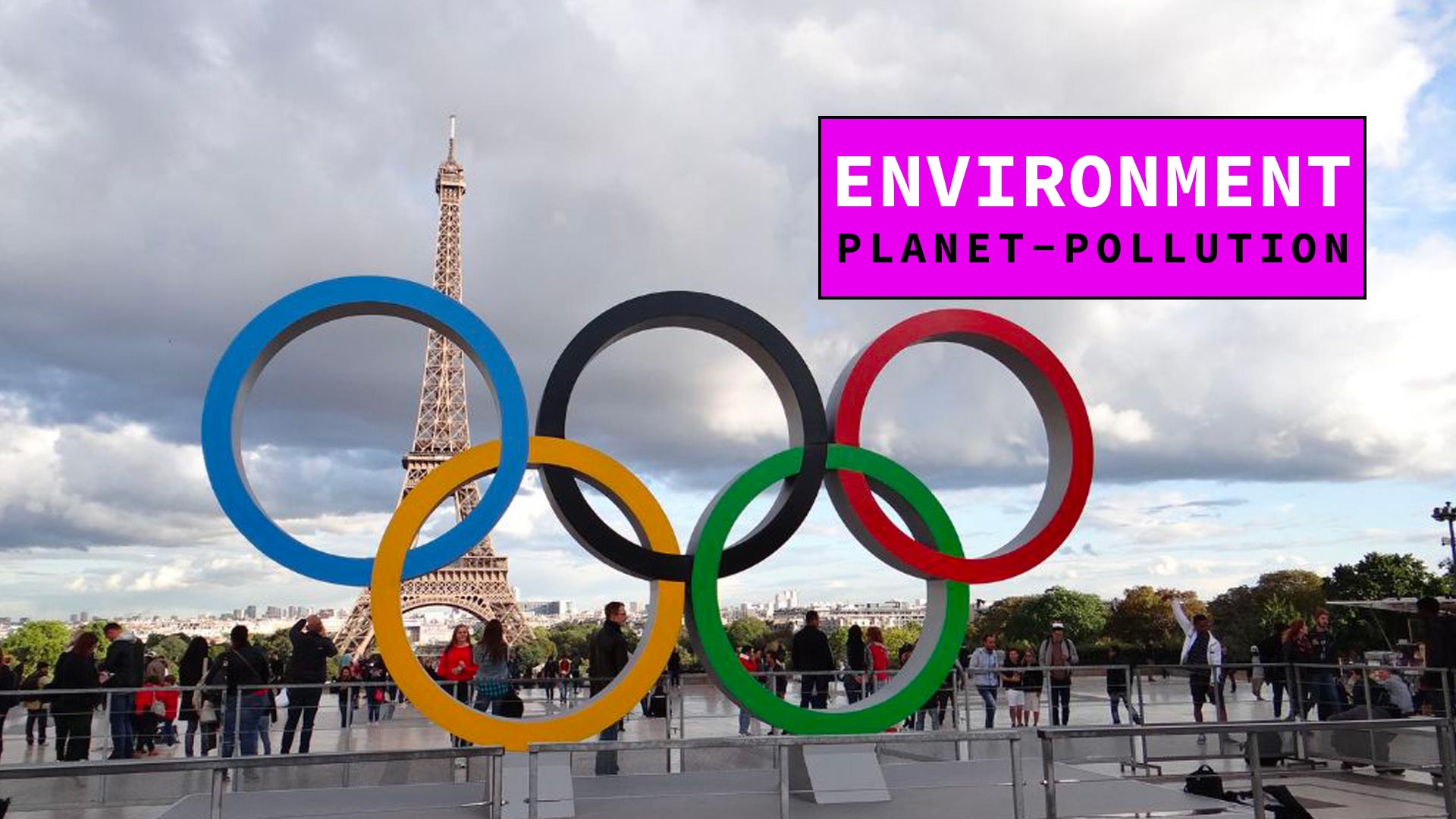
With thousands of sporting events, athletes from all over the world, millions of meals to prepare, and huge crowds to welcome, the Olympic Games are one of the largest events on the planet. Their impact on the environment is therefore significant. Many people wondered whether the Paris 2024 Games could truly be environmentally friendly.
The organizers announced a very ambitious goal: to make Paris 2024 the greenest Olympic Games ever held. They wanted to prove that a global sporting event could reduce its environmental footprint while remaining spectacular and accessible.
Reducing Carbon Pollution
During previous Summer Olympics, around 3.5 million tonnes of carbon dioxide were emitted. This is equivalent to the pollution produced by about 800,000 cars in one year. For Paris 2024, the objective was clear: cut these emissions in half.
To achieve this goal, the city completely rethought how venues were built, how energy was produced, and how daily life around the Games was organized. Every decision aimed to reduce waste and protect the environment.
Using Existing Sports Venues
One major change concerned competition venues. In the past, many host cities built large stadiums specifically for the Games, which were often left unused afterward. These constructions required huge amounts of materials and energy.
Paris chose a different path by mainly using existing venues, such as the Stade de France, built for the 1998 Football World Cup. Only a few new buildings were constructed, including the Olympic Village and the Aquatics Center. This approach helped limit waste and avoid unnecessary construction.
Cleaner Energy for the Games
The Paris 2024 Games were powered by renewable energy sources, such as solar and wind power. The goal was to limit the use of polluting energy.
To cool the Olympic Village, an innovative system circulated river water beneath the floors. This solution reduced the need for air-conditioning. However, during an intense heatwave, additional cooling systems had to be installed to ensure athletes’ comfort and safety.
Recycling and Reusing as Much as Possible
Recycling was central to the organization of the Games. Many objects used during the event were made from recycled materials. The athletes’ beds, made from recycled cardboard, became especially famous.
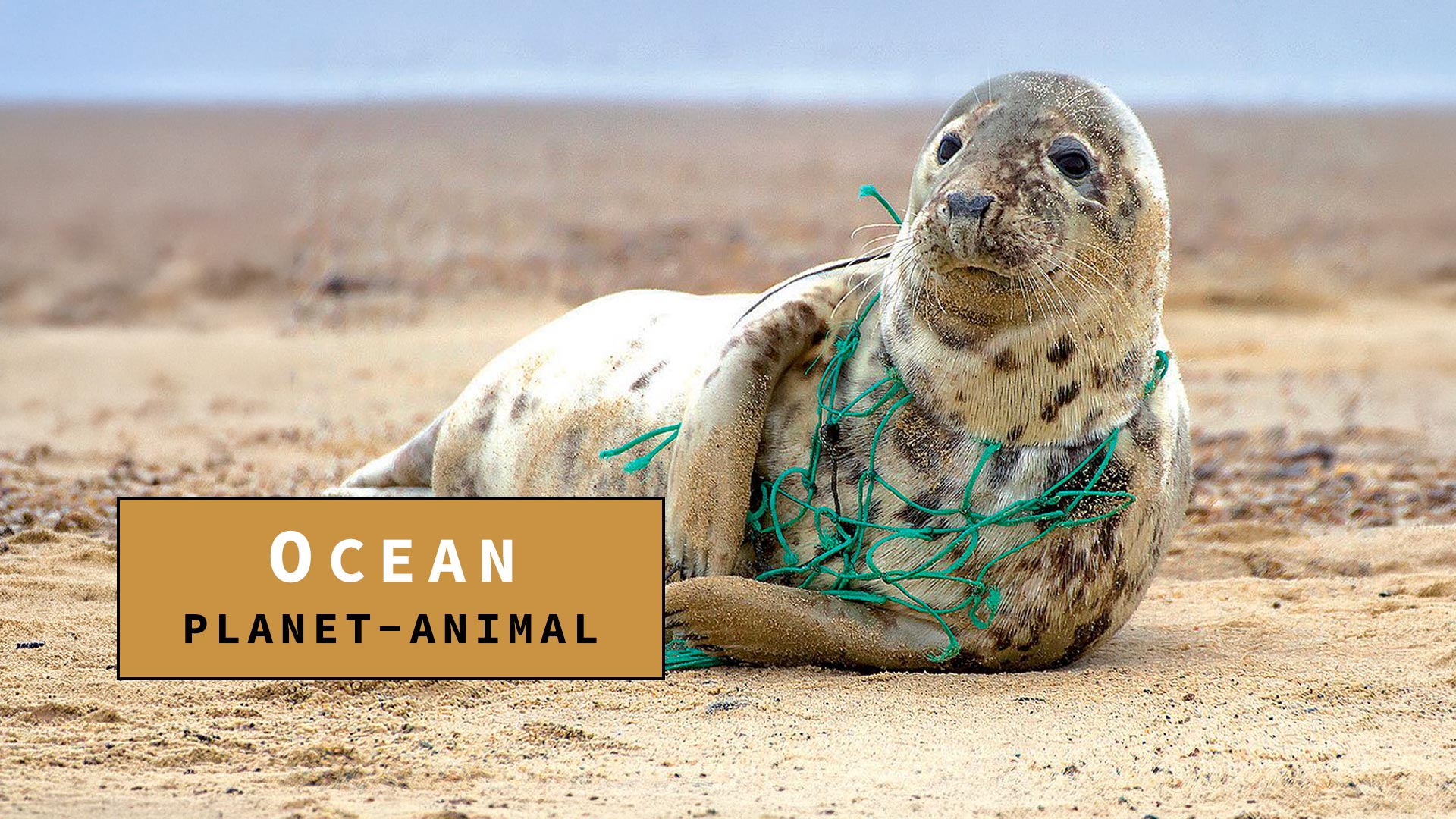
Other furniture was created from used fishing nets, plastic bottle caps, and even old badminton shuttlecocks. This showed that waste can be transformed into useful objects. Still, some athletes found the equipment uncomfortable, raising questions about how to balance sustainability and well-being.

Eating Better to Pollute Less
Food was another major challenge. The organizers wanted to reduce the environmental impact of meals by offering more plant-based dishes and using local ingredients.
They also aimed to reduce food waste by donating leftovers. However, some athletes felt there was not enough meat and eggs to meet their nutritional needs, so menus had to be adjusted during the Games.
More Environmentally Friendly Transport
Millions of visitors were expected in Paris for the Olympic and Paralympic Games. Transportation could therefore have caused a lot of pollution.
To limit this impact, the city expanded cycling paths and improved public transportation, such as metro lines and buses. Spectators were encouraged to use these options instead of cars.
What Is the Future of the Olympic Games?
So, were the Paris 2024 Olympic Games truly the greenest in history? The answer is not simple. Some initiatives worked very well, while others faced difficulties.
What matters most may be the lessons learned. Paris 2024 tested new ideas and showed that a major global event can try to better respect the planet. Future Olympic Games will be able to build on these successes and mistakes to become even more sustainable.