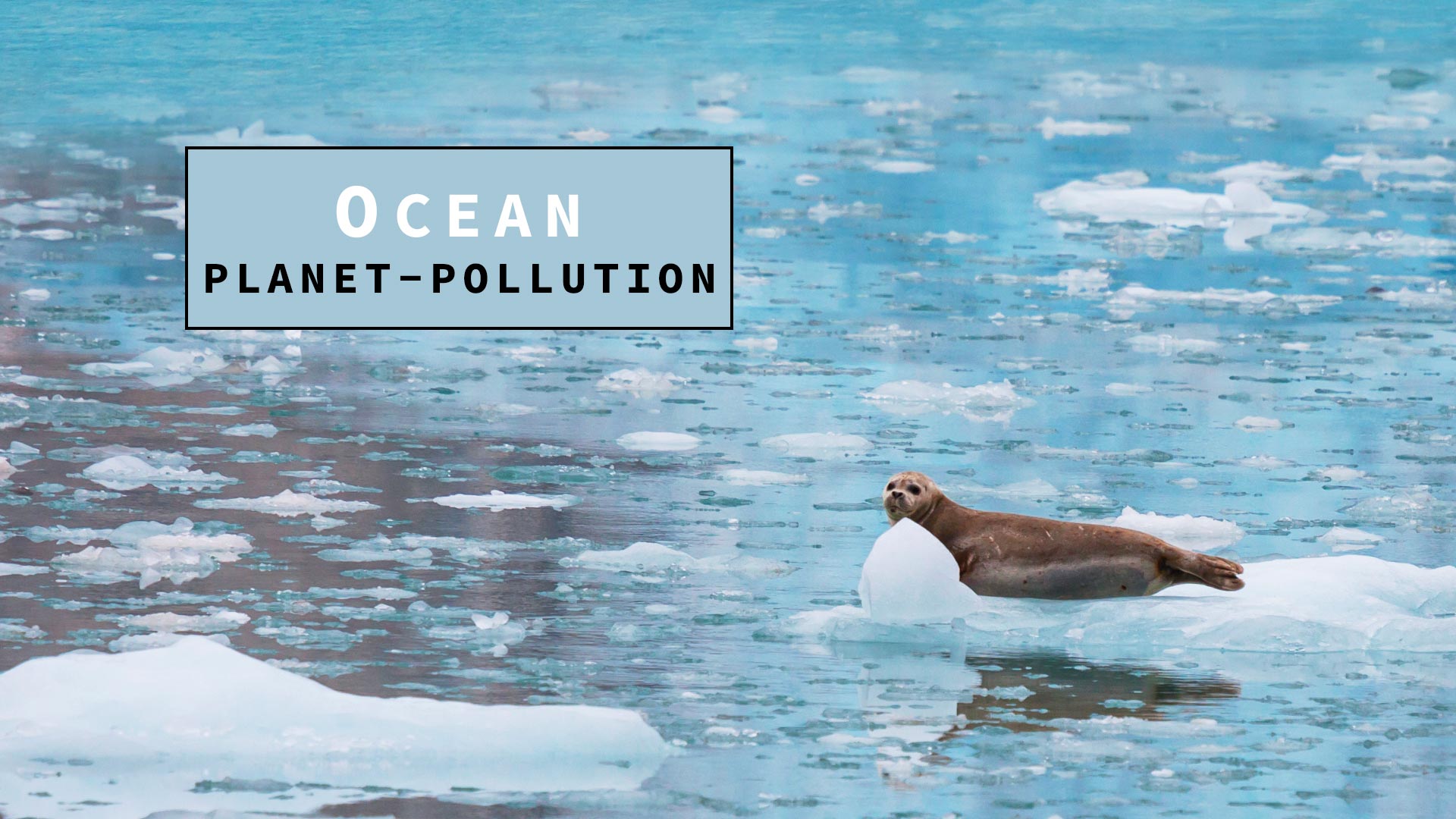
Ice works like a giant natural thermometer. When Earth’s temperature rises, ice melts. That is why melting glaciers are one of the clearest signs of global warming. Understanding why glaciers are important helps us better protect our planet.
What Are Glaciers?
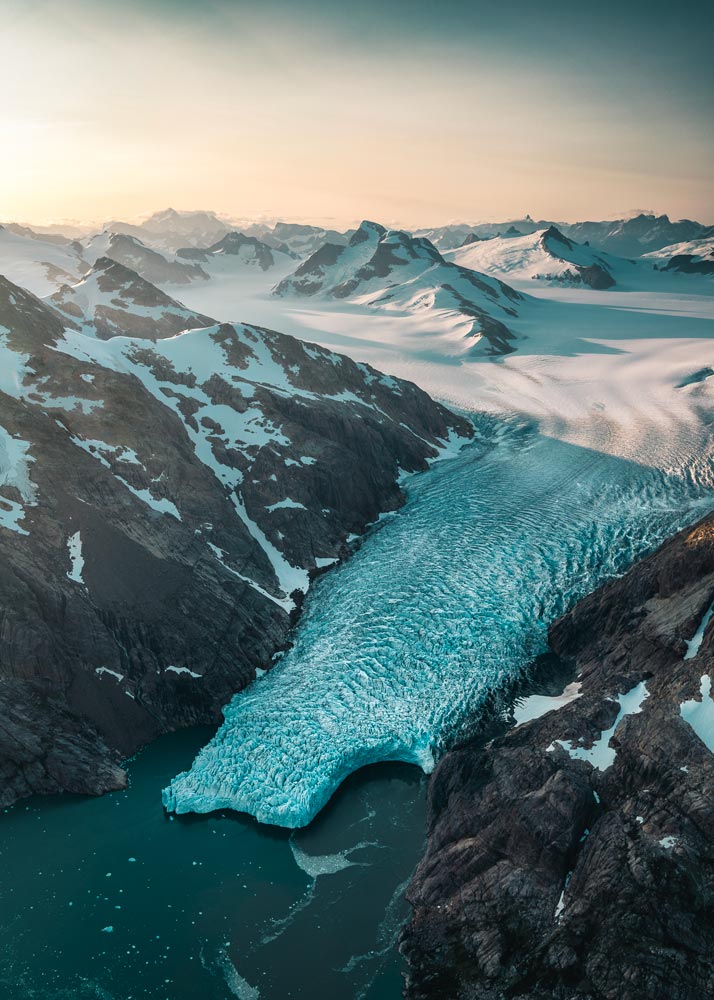
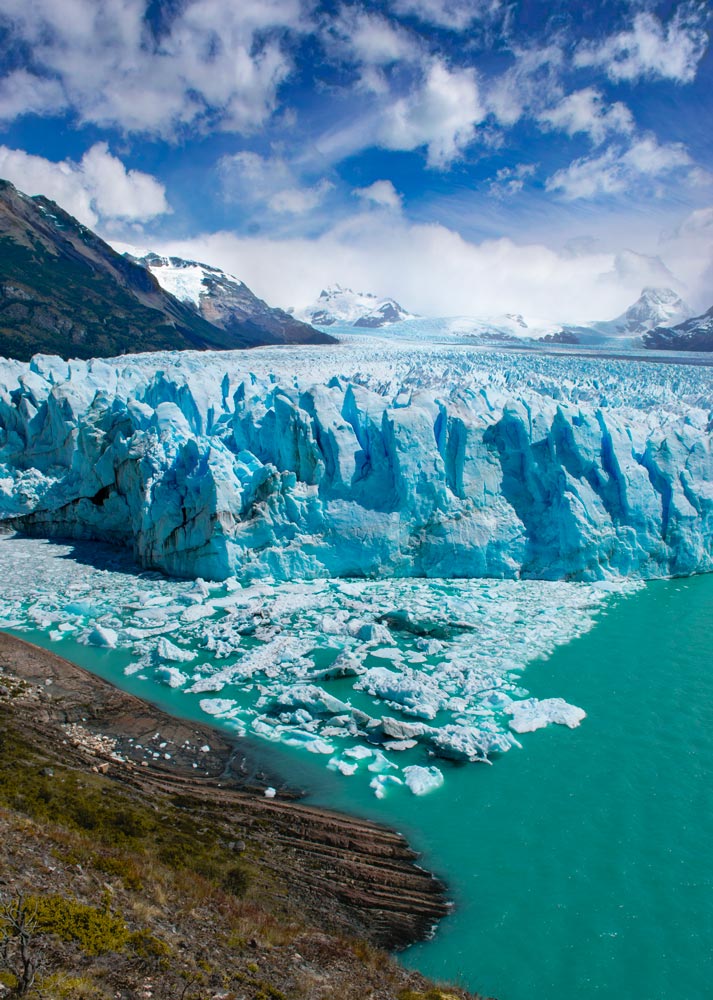
Most of the Earth’s ice is stored in glaciers and ice sheets. Glaciers are huge masses of ice that move very slowly, while ice sheets are even larger and can be as big as a continent. There are two major ice sheets in the world, one in Greenland and the other in Antarctica.
Glaciers form when snow falls year after year. Over time, the snow is compressed and turns into ice, creating a glacier. This process is very slow, and some glaciers are so old that they have existed for millions of years. Glaciers are mostly found in very cold regions, but they also exist on high mountains all around the world, such as in the Himalayas in Asia or in the Andes in South America.
Why Are Glaciers So Important?
Glaciers are essential because they store a huge amount of fresh water. About two-thirds of the Earth’s fresh water is locked inside ice. Many rivers begin their journey in glaciers. The Ganges River, for example, is fed by the Gangotri Glacier and provides water to hundreds of millions of people.
Glaciers also play an important role in nature. When they form, they trap tiny particles rich in nutrients. When the ice melts during warmer seasons, these nutrients are released into rivers and oceans, helping plants and animals grow. Glaciers also have strong cultural importance. In some regions of the Andes, people have celebrated snowy mountains for centuries. For them, the disappearance of glaciers is both a natural and a spiritual loss.
How Fast Are Glaciers Melting?
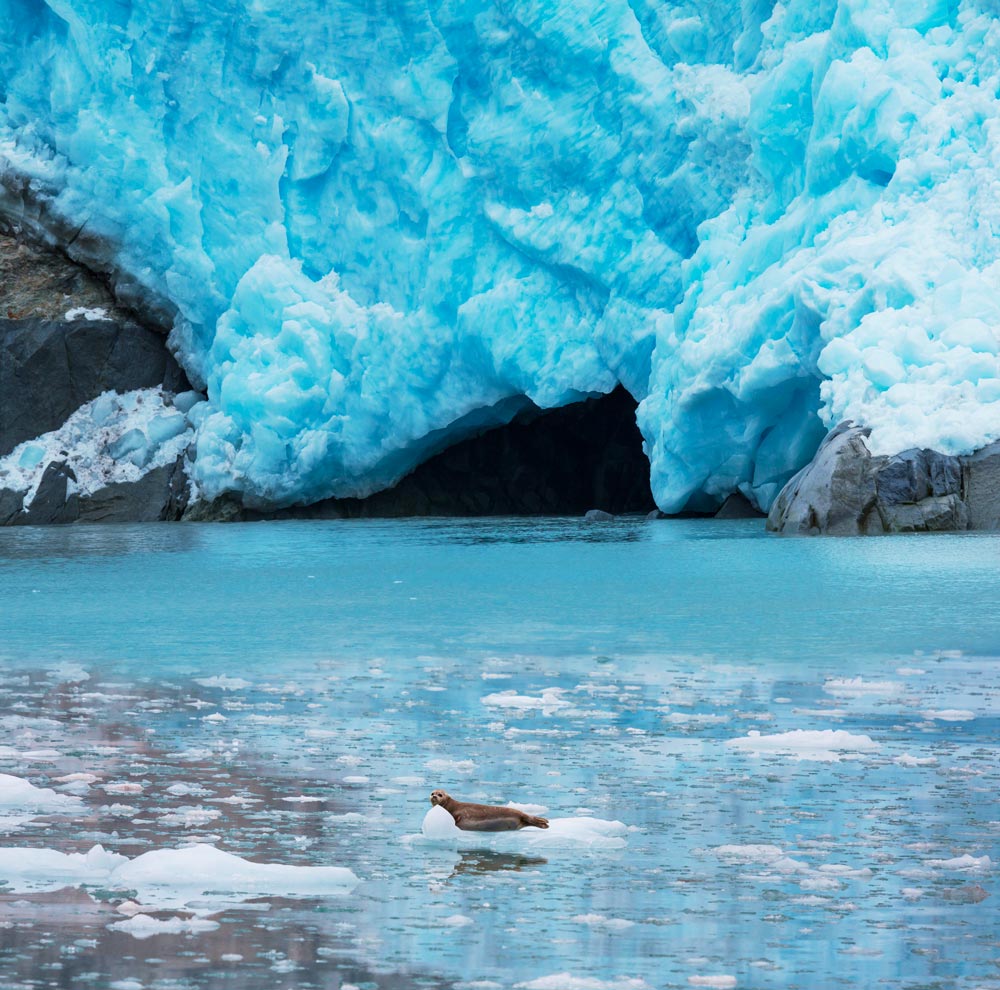
Scientists have observed that between 2000 and 2019, the Earth lost about 267 billion tonnes of ice every year. This rapid melting has already caused a significant part of sea level rise. If global warming continues, a large number of glaciers could disappear by the end of the century, deeply changing life on Earth.
Can Glaciers Be Saved?
It is still possible to protect glaciers if we act now. The most important goal is to slow down global warming. Everyday actions can make a difference, such as saving energy, recycling, and being careful about what we consume. By taking care of the planet, we also help glaciers stay in place and continue protecting water and life on Earth.